

No, indoor and outdoor cannabis seeds are not two separate genetic categories. The labels primarily describe where a particular cannabis variety is expected to perform well, rather than identifying fundamentally different types of DNA. However, the genetic differences between individual strains can be very real. Inherited characteristics such as flowering behavior, plant architecture, maturation time, and stress resistance can make certain cultivars better suited to specific environments.
The distinction matters because the same cannabis genotype can express noticeably different characteristics indoors and outdoors. Conversely, two varieties marketed for the same environment may have very different genetic backgrounds.
So, when comparing indoor vs. outdoor cannabis seeds, the important question is not whether they contain different kinds of DNA. It is which inherited traits make a cultivar suitable for particular environmental conditions—and how reliably those traits have been evaluated.
Indoor vs. Outdoor Cannabis Seeds: What Do the Labels Actually Mean?
Seed banks typically use indoor and outdoor classifications as practical recommendations.
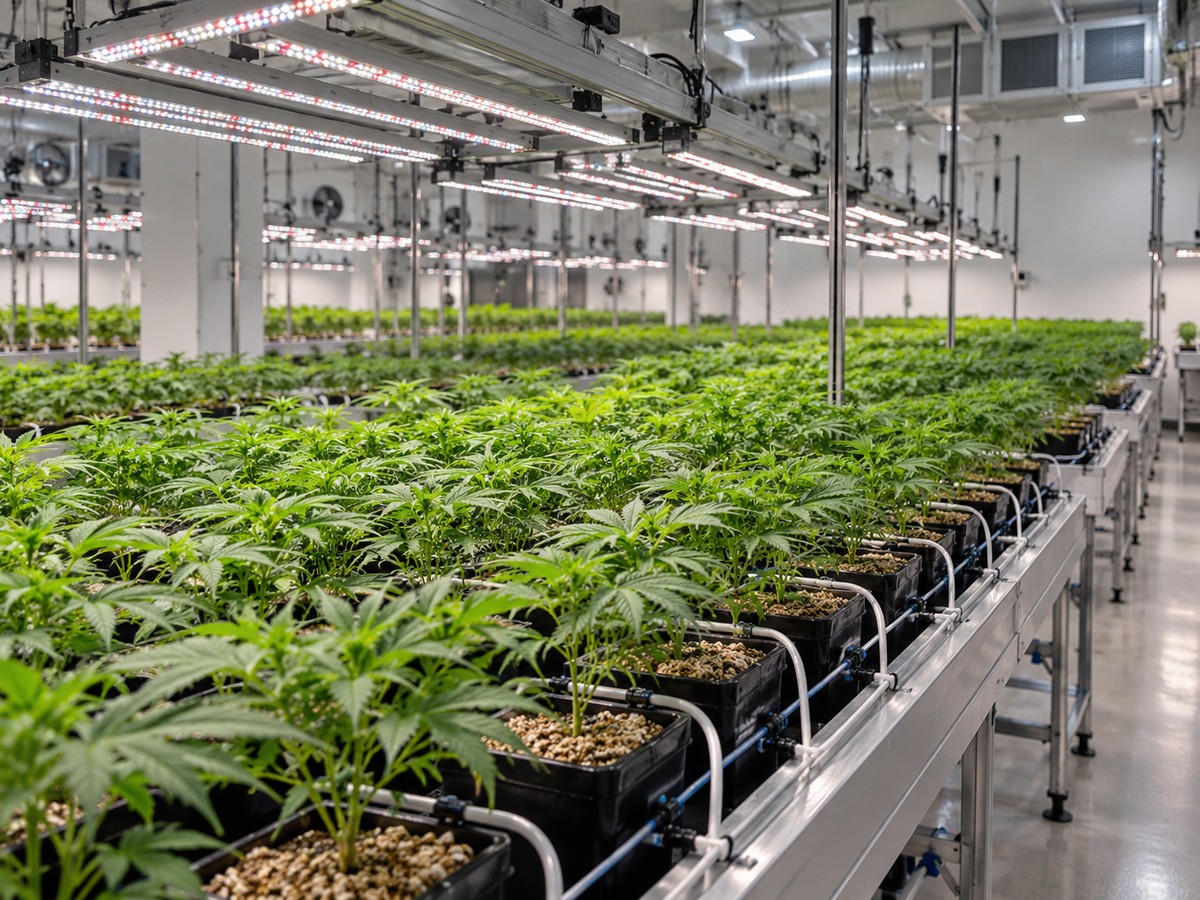
Indoor cannabis seeds generally refer to varieties whose growth characteristics are considered suitable for controlled environments. Compact architecture, predictable development, and manageable flowering behavior may be desirable characteristics.
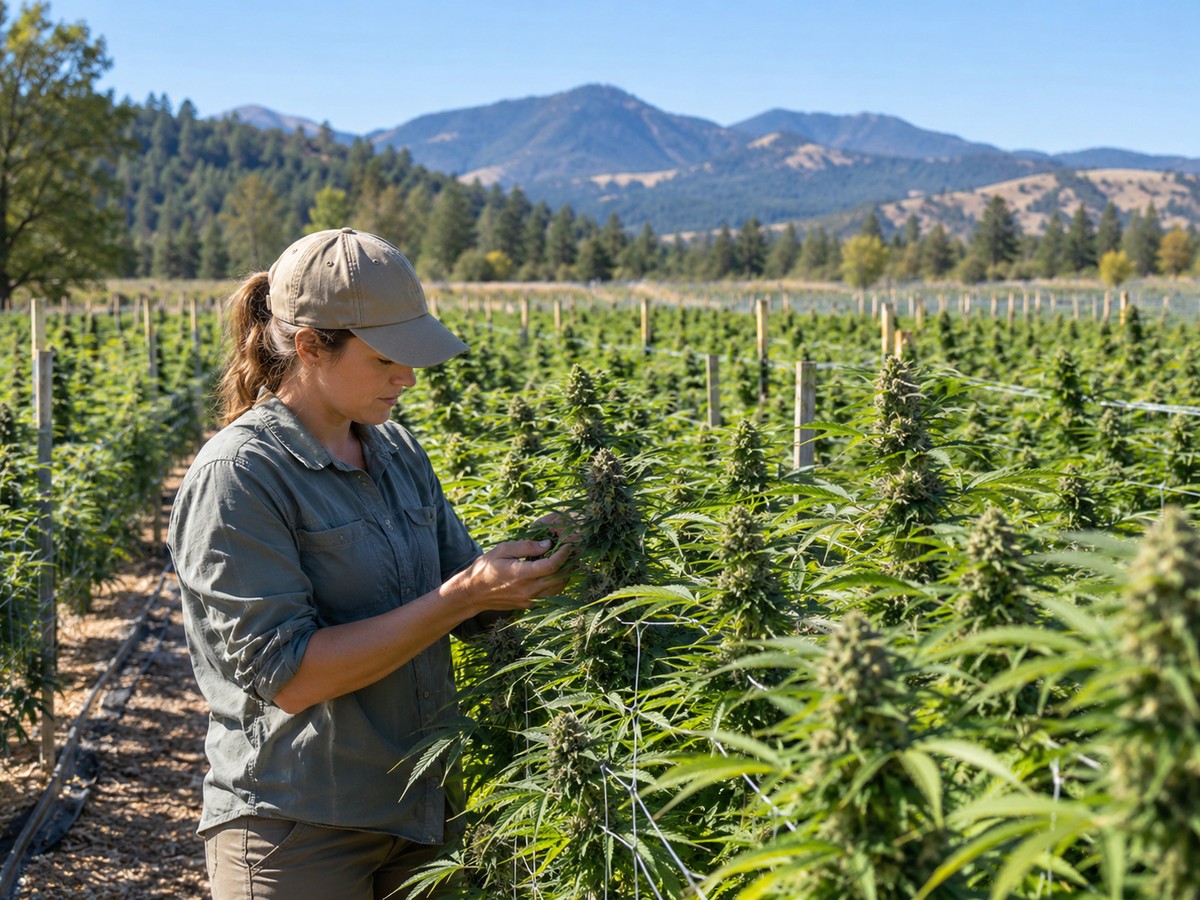
Outdoor cannabis seeds are commonly associated with varieties that can complete their development under natural seasonal conditions. Depending on the location, relevant traits may include earlier flowering, tolerance of temperature variation, or resistance to environmental stresses.
Neither description establishes a universal genetic identity.
Indoor vs. Outdoor Cannabis Seeds: Comparison Table
| Characteristic | Indoor Cannabis Seeds | Outdoor Cannabis Seeds |
|---|---|---|
| Genetic classification | No unique indoor DNA category | No unique outdoor DNA category |
| Main selection priority | Suitability for controlled environments | Suitability for local climate and seasonal conditions |
| Plant architecture | Compact or predictable growth often preferred | Larger or more variable structures may be acceptable |
| Flowering behavior | Photoperiod or autoflowering | Photoperiod or autoflowering |
| Environmental stresses | Controlled conditions reduce some external pressures | Exposure to weather, temperature fluctuations, and local pathogens |
| Adaptation | Traits relevant to managed environments | Traits relevant to particular climates and seasons |
| THC and CBD potential | Determined partly by cultivar genetics | Determined partly by cultivar genetics |
| Can it perform in the other environment? | Frequently possible, depending on the cultivar | Frequently possible, depending on the cultivar |
These are common selection priorities, not fixed biological rules. A variety described as indoor may perform well outdoors in a suitable climate, while an outdoor-recommended cultivar may also be compatible with controlled conditions.
The distinction becomes clearer when we separate two fundamental concepts: genotype and phenotype.
A genotype is the inherited genetic information contained in a plant's DNA. A phenotype is the collection of observable characteristics produced through the interaction of that genotype with its environment.
Changing environmental conditions does not ordinarily change a plant's inherited genotype. It can, however, change how its genes are expressed.
For a more detailed explanation, see our guide to genotype vs. phenotype in cannabis.
Which Cannabis Traits Have a Real Genetic Basis?
Although there is no universally recognized indoor or outdoor cannabis gene, researchers have identified genetic regions associated with traits that influence environmental suitability.
Three areas are particularly important: flowering behavior, plant architecture, and resistance to biological stress.
1. Photoperiod Sensitivity and Autoflowering Genetics
Flowering behavior provides one of the clearest examples of a meaningful genetic distinction.
Most photoperiod-sensitive cannabis varieties respond to changes in day length. Their transition toward flowering is regulated by internal biological mechanisms interacting with environmental light signals.
Autoflowering cannabis differs because its flowering initiation is substantially less dependent on the usual day-length signal.
This characteristic has a genetic basis.
A 2024 study by Keegan M. Leckie and colleagues identified a splice-site mutation in CsPRR37, a gene involved in circadian regulation, associated with photoperiod-insensitive flowering in drug-type cannabis.
Another 2024 study, led by Caroline A. Dowling, identified a separate genetic region called Autoflower2, containing the candidate flowering regulator CsFT1, in hemp.
The researchers described evidence for:
“multiple independent origins of photoperiod insensitivity”
— Dowling et al., The Plant Journal, 2024.
This finding is important because it demonstrates that autoflowering is not necessarily explained by one universal mutation or a single ancestral genetic source.
Different genetic mechanisms can produce similar flowering behavior.
However, autoflowering does not automatically mean outdoor-specific genetics. A day-neutral flowering response can be relevant in multiple production environments.
The autoflowering cannabis seeds category therefore represents a biologically meaningful flowering characteristic, rather than a separate indoor-versus-outdoor classification.
2. Plant Height, Branching, and Architecture
Cannabis varieties can differ genetically in their tendencies toward:
- Overall plant height and internodal spacing.
- Branching patterns and canopy structure.
- Developmental timing and maturation.
- Responses to temperature and other environmental stresses.
However, these are often complex, quantitative traits influenced by many genes.
Environmental conditions also affect their expression.
A cultivar with a genetic tendency toward compact growth will not necessarily reach exactly the same height in every environment. Light availability, temperature, nutrition, and developmental conditions can modify the final phenotype.
Consequently, descriptions such as compact indoor genetics should be interpreted as expected growth tendencies, not guarantees.
Similarly, a variety capable of developing a large outdoor structure does not possess a special category of outdoor DNA.
3. Disease Resistance and Environmental Adaptation
Disease resistance illustrates why evaluating individual traits is more useful than relying on broad marketing categories.
In 2025, Soren Seifi and colleagues mapped a powdery mildew resistance locus, designated PM2, to chromosome 9 of Cannabis sativa.
The researchers also developed molecular markers associated with this resistance mechanism.
Such discoveries can help breeders identify and track relevant inherited characteristics.
Nevertheless, resistance to one pathogen does not establish resistance to every disease. Nor does the presence of an associated marker guarantee identical performance across different genetic backgrounds or locations.
A cultivar marketed as hardy or outdoor-friendly should not automatically be assumed to possess the PM2 resistance locus.
The scientifically useful information is the specific resistance trait and the evidence supporting it—not the outdoor label alone.
4. Cannabinoid Genetics: Is High THC an Indoor Trait?
No. High THC potential is not an indoor-specific genetic characteristic.
Cannabinoid production is influenced by genetic mechanisms involving enzymes such as THCA synthase (THCAS) and CBDA synthase (CBDAS).
Research into cannabinoid synthase regions has revealed a complex genetic architecture that helps explain inherited differences between cannabinoid profiles.
These mechanisms are distinct from whether a cultivar is described as indoor or outdoor.
Furthermore, inherited cannabinoid potential should not be confused with a guaranteed final concentration. Environmental conditions, plant development, and sample handling can influence measured chemical composition.
You can explore this distinction further in our article on THCA and CBDA synthase genes.
For a practical catalogue comparison, Critical and Afghan illustrate two feminized, photoperiod-sensitive selections. Their listed characteristics provide more useful information than treating either as a fundamentally different indoor genome.
Recommended seeds:


Can the Same Cannabis Genetics Produce Different Results Indoors and Outdoors?
Yes. This is one of the most important findings in modern cannabis research.
Plants with matching genetic backgrounds can develop different chemical profiles and physical characteristics under different production conditions.
Two studies help explain how genetics and environment contribute to these differences.
The 2023 Study: Identical Clones, Different Chemical Profiles
In 2023, Fereshteh Zandkarimi and colleagues published a comparative analysis of two commercial cannabis cultivars, Red Velvet and Cheetah Piss.
The researchers studied material from genetically identical clones produced in indoor and outdoor systems.
Using chromatographic and mass spectrometric techniques, they identified differences in cannabinoid and terpene profiles.
In the sampled outdoor material, several sesquiterpenes—including β-caryophyllene and α-humulene—were more prominent.
The indoor samples also showed higher levels of certain oxidized or degraded cannabinoids.
What does this prove?
It demonstrates that a matching genotype does not guarantee an identical chemical phenotype.
However, the results should not be interpreted as proof that sunlight always produces more terpenes.
The study involved relatively small sample groups, and the commercial production environments differed in several respects beyond lighting. Growing media, farm-specific conditions, and post-harvest factors could also have contributed to the observed differences.
It is therefore evidence of differences between production systems, not a definitive measurement of sunlight's isolated effect.
The 2026 Study: Cultivar vs. Cultivation Environment
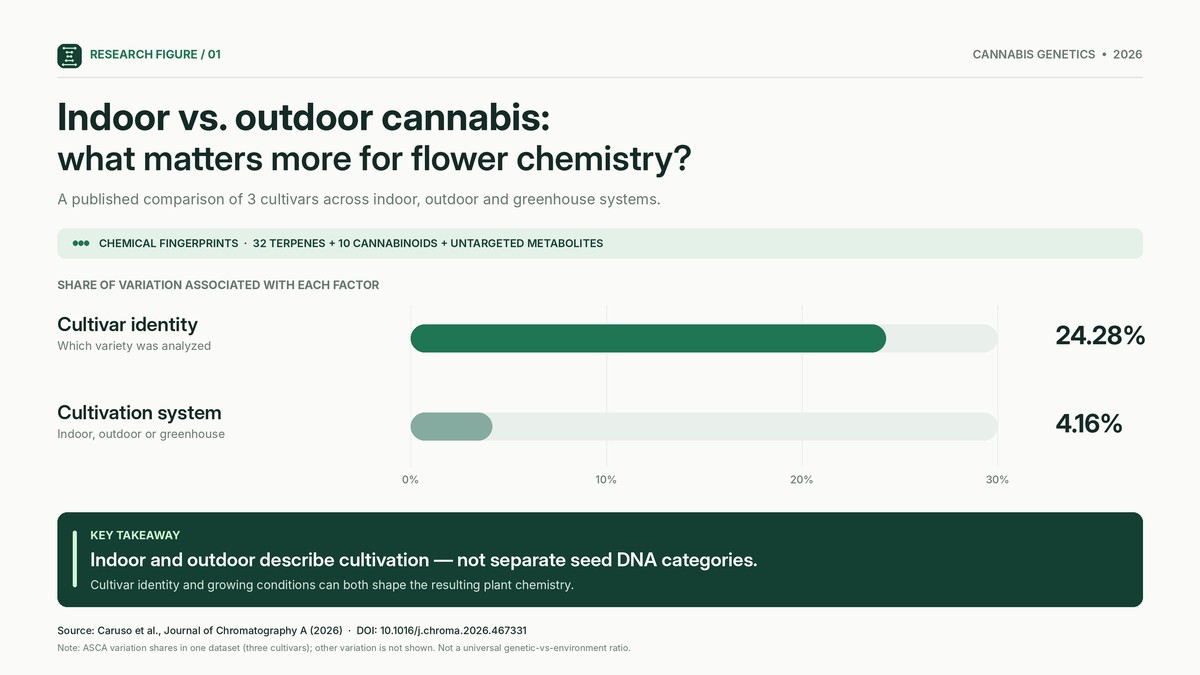
A more recent investigation by Sebastián J. Caruso and colleagues, published in the Journal of Chromatography A in 2026, compared three cannabis cultivars across indoor, outdoor, and greenhouse environments.
The researchers analyzed chemical fingerprints involving 32 terpenes, 10 cannabinoids, and additional untargeted metabolites.
Their multivariate analysis attributed:
- 24.28% of the analyzed chemical variability to cultivar identity.
- 4.16% to the cultivation system.
Both factors were statistically significant within the study.
As the authors stated:
“Cultivar emerged as the primary factor influencing chemical composition”
— Caruso et al., Journal of Chromatography A, 2026.
In this particular experiment, cultivar identity explained a greater proportion of the measured chemical variation than the production system.
Importantly, those percentages do not mean genetics universally determines 24.28% of cannabis quality or that environment contributes only 4.16%.
They describe the statistical variation within a specific experimental dataset and analytical model.
The study also found no statistically significant cultivar-by-cultivation-system interaction in the analyzed data. That result does not rule out such interactions for other cultivars, traits, or environments.
Taken together, the 2023 and 2026 studies support the same broader conclusion: genetics establishes biological potential, while environmental conditions influence how that potential is expressed.
Why an Indoor Strain in One Country Could Be an Outdoor Strain in Another
Geography exposes one of the biggest weaknesses in the indoor-versus-outdoor seed classification.
Imagine a photoperiod-sensitive cannabis cultivar adapted to relatively warm temperatures and a long growing season.
In a Mediterranean region, its seasonal development may be compatible with local conditions.
The same cultivar might be poorly suited to outdoor production in a far northern location, where temperature patterns, day length, and the available growing season are different.
Its DNA has not changed.
Only the environmental context has changed.
This is why local adaptation matters more than the simple distinction between natural and artificial lighting.
A genuinely useful outdoor recommendation should account for relevant factors such as seasonal temperature patterns, latitude, flowering response, and the cultivar's demonstrated adaptability.
The role of geographical selection is also closely connected to the history of landrace cannabis genetics.
Traditional regional populations developed under combinations of natural selection and human cultivation. Their inherited characteristics can provide useful resources for modern breeding programs.
However, an ancestral geographical origin alone does not guarantee that a modern commercial hybrid will exhibit the same adaptation.
Marijuana Seeds: Why Seed Type and Genetic Quality Matter More Than the Label
When evaluating marijuana seeds, buyers often encounter several classifications at once: feminized, regular, autoflowering, fast-flowering, F1 hybrid, indoor, and outdoor.
These terms describe different biological or commercial characteristics. They should not be treated as interchangeable.
Feminized Seeds Are Not Genetically Identical Clones
Feminized cannabis seeds are produced through breeding procedures intended to generate predominantly female offspring.
However, feminization does not mean that every resulting seed carries an identical genotype.
Seeds produced by sexual reproduction can contain different combinations of inherited alleles, even when they share the same parentage and commercial strain name.
Clonal propagation is different. Clones generally preserve the genotype of the source plant much more closely, although somatic changes can occasionally occur.
This distinction matters when interpreting scientific studies or claims about consistency.
A comparison involving seed-grown plants in one environment and genetically uniform clones in another cannot automatically attribute all observed differences to the environment.
What About Regular Seeds and F1 Hybrids?
Regular cannabis seeds are not selected through the same feminization process and can produce male and female plants.
F1 hybrids describe first-generation offspring from a specific cross. When created using appropriately developed parental lines, they can show considerable uniformity and heterosis, or hybrid vigor.
However, the commercial use of the term F1 does not, by itself, prove a particular level of genetic uniformity.
Our guide to true F1 cannabis hybrids explains why parental breeding and genetic stability are essential.
None of these categories automatically establishes indoor or outdoor superiority.
Can You Trust the Strain Name?
Commercial strain names do not always guarantee uniform genetic identity.
A 2025 study by Marcello Borin, Gianni Barcaccia, and colleagues examined 171 samples representing 20 cannabis varieties available through European distributors.
Using molecular markers, the researchers identified inconsistencies in genetic uniformity and samples that differed from their expected cultivar groups.
In one nine-plant group associated with an autoflowering variety, two individuals displayed both genetic differences and unexpected flowering-related characteristics.
This does not prove that commercial cannabis seeds are generally unreliable. The sample was not a representative audit of the entire seed market.
It does demonstrate why breeder identity, provenance, and documented genetic consistency are meaningful considerations.
A familiar strain name—or an indoor/outdoor recommendation—is not a substitute for verified genetic identity.
Seed Viability Is Not the Same as Genetic Suitability
Another overlooked issue is seed quality.
Even a cultivar with desirable inherited traits may have poor germination potential if its seeds have deteriorated during storage.
In a 2025 study, Cockson and colleagues investigated how moisture content and temperature affected the viability of one industrial hemp cultivar.
Under the unfavorable combination of 14% seed moisture and storage at 21°C, the researchers observed complete loss of germination and viability after three months.
Other combinations preserved substantially higher germination over a much longer period.
These results concern a specific hemp cultivar and should not be applied as universal predictions for every marijuana seed lot.
Nevertheless, they demonstrate that seed storage history and biological quality are separate considerations from inherited cultivar characteristics.
For further reading, see how long cannabis seeds last under different storage conditions.
A product labelled outdoor does not automatically have better viability, stronger genetic stability, or superior seed health than one labelled indoor.
The two catalogue examples below illustrate an important distinction: Afghan Fast is described as a fast-flowering photoperiod variety, while Blue Dream Auto is autoflowering. These are more specific flowering classifications than the broad outdoor label.
Recommended seeds:


How to Choose Between Indoor and Outdoor Cannabis Seeds
For buyers researching cannabis varieties, the most useful approach is to evaluate individual traits rather than relying on the category name alone.
The following questions help distinguish meaningful information from marketing language.
1. Does the Cultivar Match the Intended Environment?
First, identify the environmental conditions relevant to the cultivar's intended legal use.
For outdoor suitability, local climate and seasonal timing are particularly important. For controlled environments, plant architecture and developmental characteristics may receive greater emphasis.
An indoor recommendation that makes sense in one region may not be necessary in another.
2. Is It Photoperiod-Sensitive, Autoflowering, or Fast-Flowering?
These distinctions provide more information about inherited developmental behavior than the word outdoor alone.
Photoperiod-sensitive varieties respond to day-length signals. Autoflowering varieties possess traits that reduce dependence on those signals.
Fast-flowering varieties are generally selected for relatively rapid flowering or maturation, but the term does not necessarily mean that they are autoflowering.
Descriptions should make these differences clear.
3. Are the Claims Specific and Verifiable?
Be cautious about descriptions that promise exceptional resistance, universally high yields, or guaranteed cannabinoid concentrations without explaining the underlying evidence.
More useful information includes documented flowering characteristics, expected plant architecture, parentage, and the conditions under which traits were assessed.
If a breeder claims disease resistance, it is reasonable to ask which disease was evaluated and whether the claim is supported by comparative observations or testing.
4. How Consistent Is the Genetic Material?
A reliable cultivar description should distinguish between an expected range of phenotypes and guaranteed uniformity.
Relevant considerations include the breeder's documented lineage, the method of reproduction, and any available information about genetic stability or batch traceability.
An elaborate strain name does not necessarily establish a stable genetic line.
5. What Is Known About Seed Quality?
Viability, storage conditions, and seed-lot consistency matter independently of environmental recommendations.
Evidence of careful handling is more meaningful than assuming that seeds intended for harsh outdoor conditions must inherently be stronger.
For readers comparing different cannabis genetics, Ganjafarmer.com provides a convenient starting point for exploring cultivar descriptions across indoor, outdoor, autoflowering, and feminized seed categories. Comparing those specifications side by side is more informative than treating any one category label as proof of genetic superiority.
Common Myths About Indoor and Outdoor Cannabis Seeds
Myth 1: Indoor Cannabis Seeds Are Genetically More Potent
There is no scientific basis for treating indoor classification as a universal marker of higher THC potential.
Cannabinoid synthesis depends on the cultivar's genetics, while measured cannabinoid concentrations can also be influenced by environmental and analytical factors.
Potency claims should be evaluated at the cultivar level.
Myth 2: Outdoor Cannabis Seeds Are Always More Resistant
Outdoor recommendations may reflect selection for environmental resilience, but they do not guarantee resistance to pathogens, cold, heat, or drought.
Different stress responses have different genetic and physiological mechanisms.
Evidence for one type of resistance should not be generalized to every environmental challenge.
Myth 3: Autoflowering Seeds Are Exclusively Outdoor Seeds
Autoflowering is a genetically influenced flowering characteristic, not an outdoor-only designation.
Its usefulness depends on the specific cultivar and production context.
Myth 4: Two Seeds With the Same Strain Name Have Identical DNA
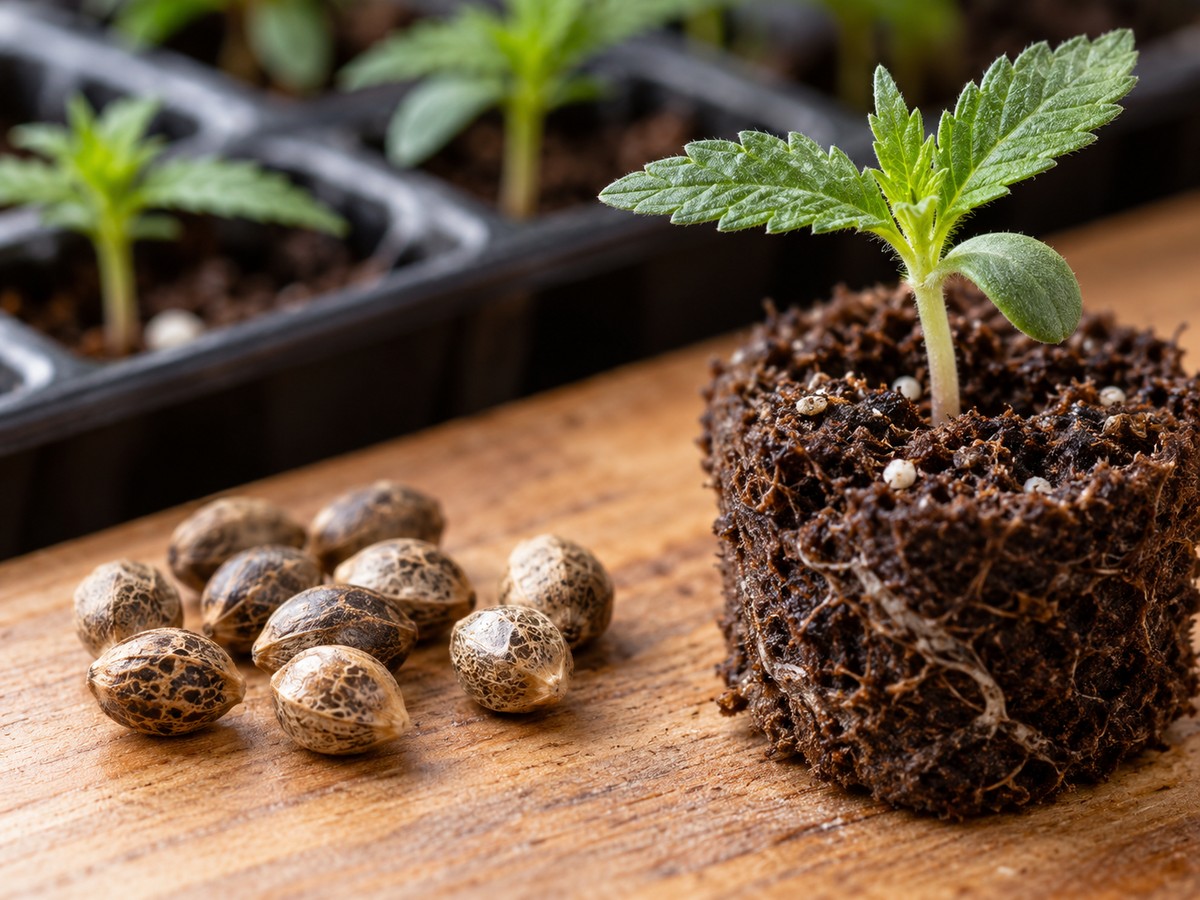
Sexually produced seeds can differ genetically from one another.
Their degree of similarity depends on parental genetics, breeding practices, and the stability of the line.
This is why genetic consistency cannot be inferred from a commercial name alone.
What Do Professional Cannabis Variety Standards Actually Measure?
Scientific and regulatory classifications provide a useful contrast to seed-shop marketing.
The International Union for the Protection of New Varieties of Plants (UPOV) published updated cannabis and hemp test guidelines, TG/276/2, on August 26, 2025.
These guidelines concern the examination of distinctness, uniformity, and stability, commonly abbreviated as DUS.
They distinguish several variety-testing categories according to production type and propagation method, including seed-propagated, feminized seed-propagated, and vegetatively propagated material.
They do not establish indoor and outdoor seeds as two universal genetic groups.
This is significant because professional variety evaluation focuses on identifiable characteristics and their consistency.
It also recognizes that appropriate standards can differ according to the biological and reproductive nature of the material.
In other words, official variety testing asks whether a cultivar is distinct, sufficiently uniform, and stable—not whether its DNA belongs to an indoor or outdoor family.
Frequently Asked Questions About Indoor vs. Outdoor Seeds
Do Indoor and Outdoor Cannabis Seeds Look Different?
Not in a way that reliably identifies their environmental suitability.
Seed size, color, and surface appearance are not recognized universal indicators of indoor or outdoor genetic classification.
A visual inspection cannot establish whether a particular seed carries alleles associated with flowering time, environmental adaptation, or disease resistance.
Can You Use Outdoor Cannabis Seeds Indoors?
From a genetic standpoint, many varieties marketed as outdoor are also compatible with controlled environments.
The relevant limitations depend on the individual cultivar's developmental characteristics and the conditions available.
An outdoor label does not create a biological barrier preventing indoor development.
Can Indoor Cannabis Seeds Grow Outdoors?
Many can, provided the environmental conditions are compatible with the cultivar's requirements.
The critical issue is the match between the genotype and local conditions, not the word indoor on the packaging.
A cultivar suitable for a warm, long season may be less appropriate for a cooler region with a shorter season.
Do Autoflowering Seeds Have Different Genetics From Photoperiod Seeds?
They can differ in specific inherited mechanisms controlling the flowering response.
Studies involving CsPRR37 and the Autoflower2 region containing CsFT1 demonstrate that photoperiod insensitivity can have identifiable genetic foundations.
However, the same flowering behavior can arise through more than one genetic mechanism.
Are Greenhouse Cannabis Seeds a Third Genetic Category?
No.
Greenhouse classification generally describes suitability for a protected production environment.
Greenhouses can share characteristics with both outdoor and indoor systems, depending on their level of environmental control.
The greenhouse label does not identify a third fundamental type of cannabis DNA.
Are Indoor or Outdoor Seeds Better?
Neither category is inherently genetically superior.
The more useful comparison concerns the cultivar's documented traits, the environment in which those traits are expected to be expressed, and the quality of the seed material.
A variety that is well suited to one environment may offer no particular advantage in another.
The Bottom Line: It's About Genetic Suitability, Not Separate DNA
Indoor and outdoor cannabis seeds are not fundamentally different genetic classes. The distinction is mainly a practical description of expected environmental suitability.
That does not mean genetics is irrelevant.
On the contrary, flowering response, maturation behavior, plant architecture, cannabinoid potential, and certain resistance traits all have genetic components that can influence how well a cultivar performs under specific conditions.
Modern research is increasingly identifying these characteristics through molecular markers, genetic mapping, and controlled comparisons.
At the same time, studies demonstrate that identical or closely related cannabis genetics can produce noticeably different phenotypes under different environmental conditions.
The most reliable approach is therefore to evaluate three things together: the cultivar's genetic identity, its documented environmental response, and the quality of the seed lot.
For buyers and collectors, that means looking beyond indoor and outdoor labels and comparing meaningful characteristics instead. Exploring the selection at Ganjafarmer.com can help organize that comparison, while breeder documentation and scientific evidence provide the necessary context.
Ultimately, the best cannabis seeds are not defined by whether their packaging says indoor or outdoor. They are defined by how reliably their inherited characteristics match the intended conditions and expectations.
Legal note: Cannabis seed possession, sale, germination, and cultivation are regulated differently across jurisdictions. Always check applicable laws before purchasing or using cannabis seeds.
References
- Caruso, S. J., et al. (2026). “Integrated LC × LC–ASCA workflow for chemically interpretable fingerprinting of cultivar and cultivation dependent metabolic variability in Cannabis sativa.” Journal of Chromatography A, Article 467331.
- Zandkarimi, F., Decatur, J., Casali, J., Gordon, T., Skibola, C., & Nuckolls, C. (2023). “Comparison of the Cannabinoid and Terpene Profiles in Commercial Cannabis from Natural and Artificial Cultivation.” Molecules, 28(2), 833.
- Dowling, C. A., et al. (2024). “A FLOWERING LOCUS T ortholog is associated with photoperiod-insensitive flowering in hemp (Cannabis sativa L.).” The Plant Journal, 119(1), 383–403.
- Leckie, K. M., et al. (2024). “Loss of daylength sensitivity by splice site mutation in Cannabis pseudo-response regulator.” The Plant Journal, 118(6), 2020–2036.
- Borin, M., et al. (2025). “Genotyping of Commercial European Cannabis Seeds Based on Multiple Mapped Marker Loci: A Comparative Study of Drug and Hemp Varieties.” Plants, 14(19), 3050.
- Seifi, S., et al. (2025). “Mapping and characterization of a novel powdery mildew resistance locus (PM2) in Cannabis sativa L.” Frontiers in Plant Science, 16, 1543229.
- Cockson, P., et al. (2025). “Impact of seed moisture and temperature on hemp seed germination.” Agrosystems, Geosciences & Environment.
- Lynch, R. C., et al. (2025). “Domesticated cannabinoid synthases amid a wild mosaic cannabis pangenome.” Nature.
- International Union for the Protection of New Varieties of Plants (UPOV). (2025). TG/276/2: Hemp, Cannabis — Guidelines for the Conduct of Tests for Distinctness, Uniformity and Stability. Geneva: UPOV.
 USA
 Česko
 Deutschland
 España
 France
 Italia
 Nederland
 Polska
 Europe