


 @ganjafarmer.seed
 @GanjaFarmerSeed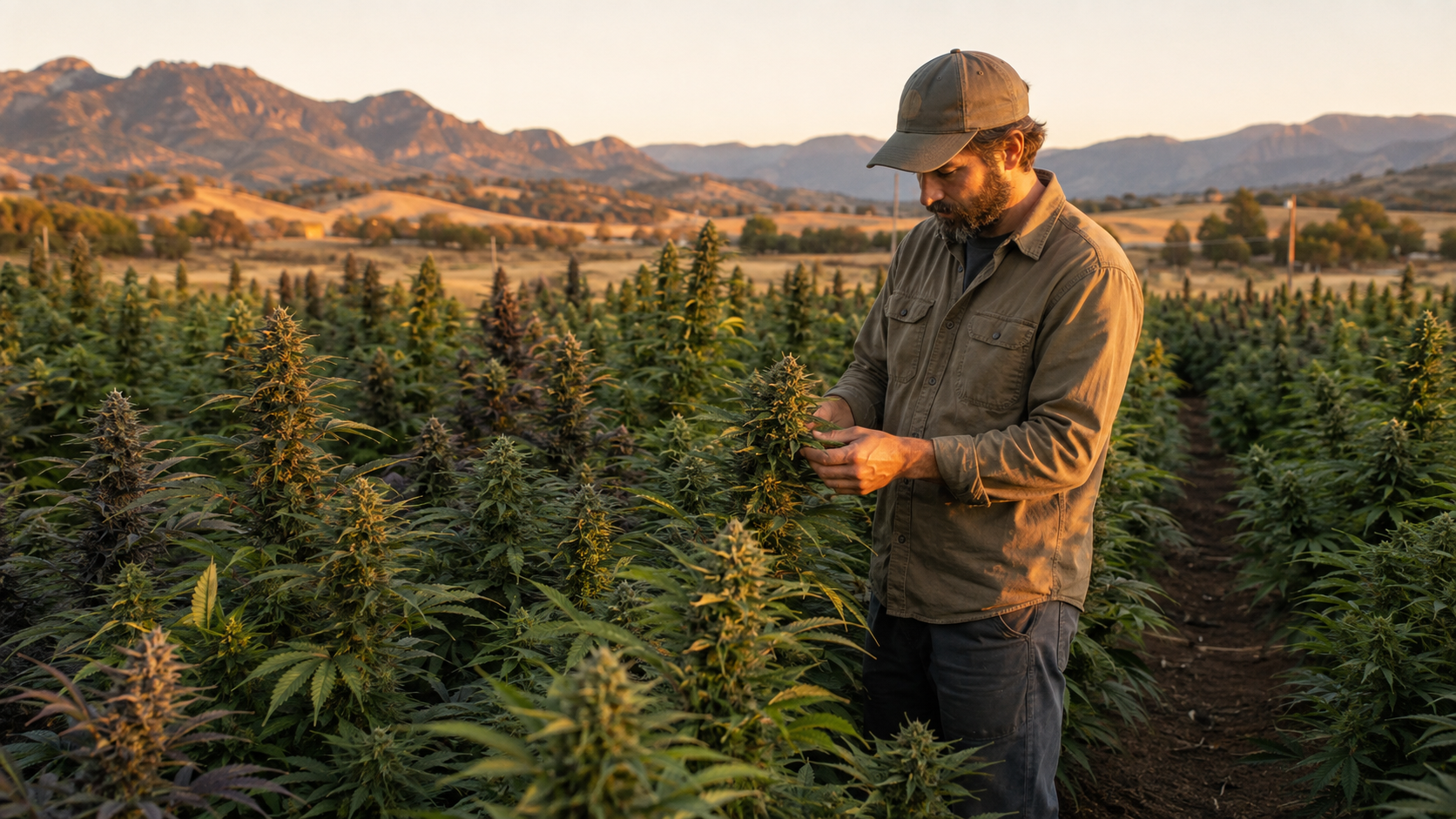
Landrace cannabis strains are native cannabis populations that developed in specific regions over many generations. Unlike modern commercial hybrids, they were not designed for maximum potency, yield, flavor, or appearance. Natural selection, local cultivation, climate, soil, altitude, pests, and seasonal conditions shaped their traits.
Original genetics are more than a historical curiosity. Landraces form the foundation of many modern hybrids and preserve traits that may be rare in heavily selected commercial lines, including vigor, resistance, distinctive terpene profiles, unusual cannabinoid ratios, and regional adaptation.
What Are Landrace Cannabis Strains?
A landrace is a relatively stable cannabis population associated with a particular geographic area and developed with limited outside genetic input. Instead of being created through deliberate crosses, it evolved under local environmental pressure.
Classic examples include Durban Poison from South Africa, Hindu Kush from Pakistan and Afghanistan, and Acapulco Gold from Mexico. Their identities depend on geography, ancestry, adaptation, and inherited consistency—not simply a familiar name.
How Landrace Strains Evolved Naturally
Natural selection explains much of what makes landrace cannabis distinctive. In hot, humid regions, plants that tolerated moisture, disease pressure, and long seasons were more likely to reproduce. In dry mountain environments, selection favored traits such as tolerance of cold nights, strong sunlight, short seasons, and limited water.
Soil, altitude, insects, and pathogens also influenced survival. In relatively isolated populations, these pressures reinforced growth patterns, flowering behavior, structure, aroma, and stress responses over generations.
What Makes Landrace Strains Unique
Regional Adaptation
Regional pressures differ dramatically, so landrace genetics can be useful when breeders seek heat tolerance, mold resistance, rapid maturation, resilience, or other traits that may be uncommon in commercially focused lines.
True-Breeding Stability
Many landrace populations show a higher degree of true-breeding behavior for important traits because those traits were reinforced over many generations. This does not mean every seed produces an identical plant; landraces are diverse populations, not clones. However, key characteristics can recur with greater predictability than in an unstable multi-hybrid.
Distinct Cannabinoid and Terpene Profiles
Modern breeding often prioritizes high THC, yield, appearance, and fashionable aromas. Landrace genetics can preserve older terpene combinations, minor cannabinoids, and cannabinoid ratios that predate these priorities, giving breeders a broader chemical palette.
Famous Landrace Cannabis Strain Examples
Durban Poison
Durban Poison is associated with South Africa and is among the best-known African landrace-derived names, with genetics shaped by warm regional conditions and long-term local adaptation.
Hindu Kush
Hindu Kush genetics originate from the mountains of Afghanistan and Pakistan. Adapted to harsh, shorter seasons, they became known for compact structure and resin production and influenced many modern indica-dominant hybrids.
Acapulco Gold
Acapulco Gold is historically associated with Mexico. Its story highlights a preservation problem: a famous name can survive commercially even after the original regional gene pool has been altered through repeated crossing.
Recommended products
Why Landrace Genetics Matter Today
Foundation of Modern Hybrids
Most commercial cannabis varieties descend, directly or indirectly, from older regional populations. Breeders combined genetics from different parts of the world to create the hybrid families that later dominated the market. Landraces therefore function like a genetic library, allowing breeders to reintroduce traits that may have been lost through repeated selection for a narrow set of commercial goals.
Breeding Strength, Resistance, and Vigor
Landrace cannabis strains can provide pest tolerance, environmental resilience, vigor, and unusual growth traits. Commercial breeding rewards uniformity, speed, potency, yield, and appearance, but aggressive selection can reduce other useful characteristics. Carefully introducing original genetics may broaden a breeding population and help restore resistance or adaptability.
Marijuana Seeds as Genetic Archives
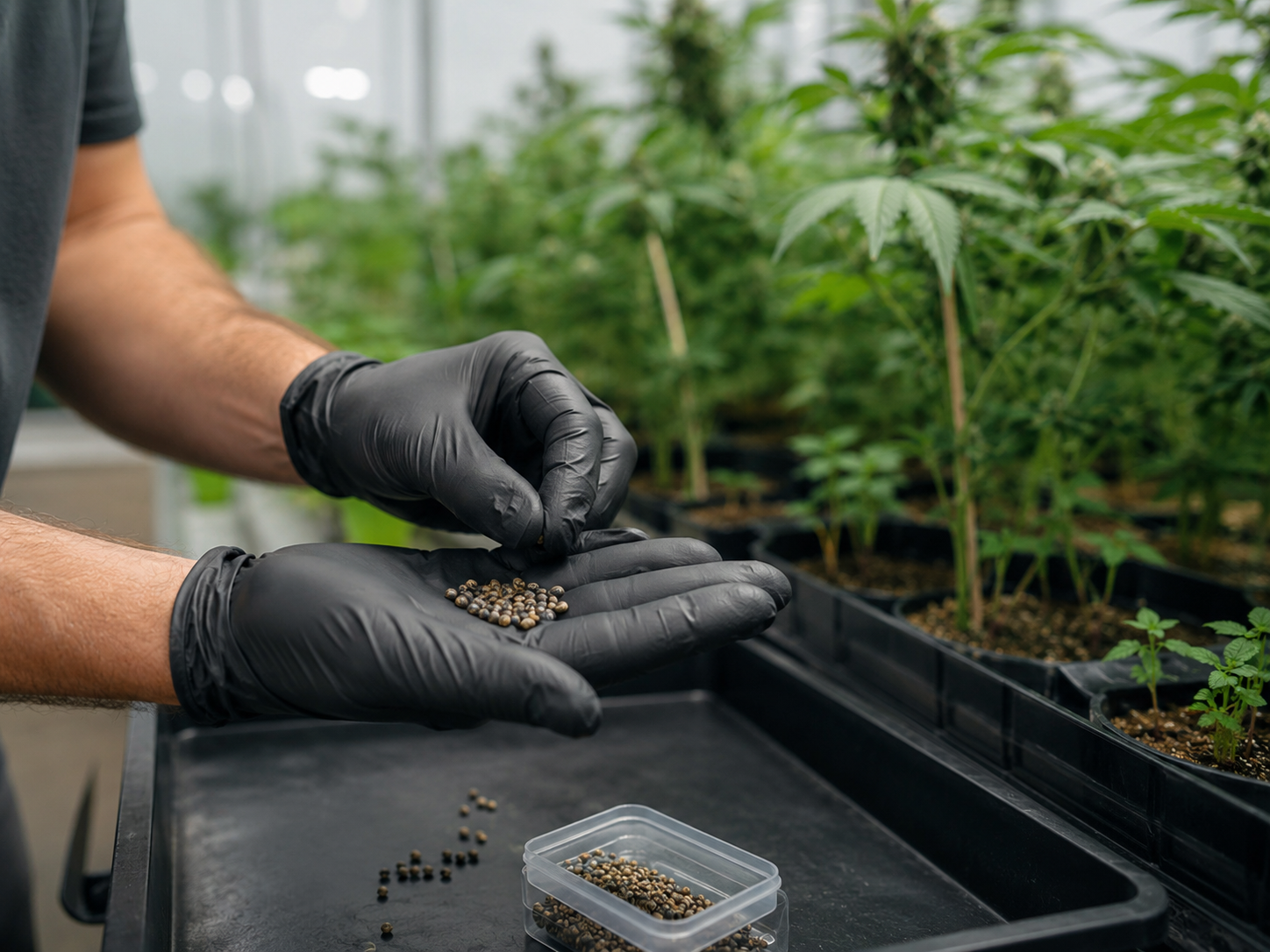
Marijuana seeds are one of the most important tools for preserving original cannabis genetics. A clone preserves one genotype; a well-maintained seed population can preserve a much wider range of alleles and inherited traits. For landrace conservation, the goal is not simply to save one exceptional plant, but to protect the genetic breadth of the population.
Seed provenance is therefore essential. Collectors and breeders should look for documented origin, transparent lineage, and information about hybridization. Specialist seed catalogs can also help compare heritage genetics with modern varieties. Ganjafarmer.com, for example, offers a seed-focused catalog that can be a useful reference when researching established genetics and lines inspired by classic ancestry, subject to local laws and regulations.
Protecting Cannabis Biodiversity
Cannabis biodiversity is a practical breeding resource. A broad gene pool gives breeders more options when new problems emerge; a narrow one creates vulnerability. In clone-heavy commercial systems, genetically similar plants may share the same susceptibility to disease or environmental stress.
A market can offer hundreds of strain names while the underlying genetics remain concentrated around a small number of fashionable families. Landraces help counter this monoculture risk by preserving alleles that may be uncommon in modern breeding stock.
Preserving Historical Cannabis Profiles
Landraces preserve a record of cannabis before modern markets favored extreme potency and standardization. Older terpene profiles, cannabinoid ratios, plant structures, and flowering patterns can disappear when regional populations are replaced by imported hybrids.
Their value is cultural as well as biological. Communities worldwide cultivated and selected cannabis long before the global seed industry existed. Protecting original genetics therefore preserves part of the plant’s agricultural history as well as its biodiversity.
Threats Facing Original Landrace Strains
Cross-Pollination and Genetic Dilution
Cross-pollination is a major threat to authentic landrace populations. When imported commercial varieties grow near traditional fields, pollen can enter the local population. After several generations, the regional gene pool may be diluted even if growers continue using the traditional strain name.
Habitat Loss and Agricultural Change
Development, changing land use, disappearing traditional cultivation, and shifting legal conditions can all threaten native populations. Climate change may add pressure by altering rainfall, temperature, pest ranges, and growing seasons.
Commercialization and Narrow Gene Pools
Commercial breeding has created enormous product variety, but repeated crossing among closely related high-performing hybrids can narrow the available gene pool. If rare alleles disappear from both traditional populations and preserved seed collections, recovering them later may be impossible.
Recommended products
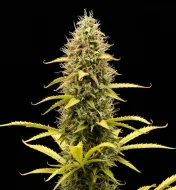
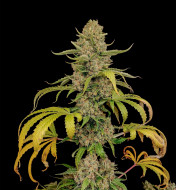
Landrace vs Modern Hybrid Cannabis Strains
| Feature | Landrace Strains | Modern Hybrids |
|---|---|---|
| Origin | Naturally evolved in specific regions | Created through intentional breeding |
| Genetics | Regionally adapted and relatively stable | Mixed from multiple parent lines |
| Trait consistency | Often true-breeding for key traits | Depends on breeding stability |
| Main value | Biodiversity, resistance, original profiles | Potency, yield, flavor, or targeted effects |
| Chemical profile | Often broader or historically distinct | Often selected for THC and market traits |
| Main risk | Habitat loss and cross-pollination | Narrow gene pools and overbreeding |
The key difference is purpose. Landraces are products of long-term environmental and local selection, while modern hybrids are created around specific breeding objectives. Hybrids can offer consistency and targeted traits; landraces offer genetic depth, resilience, and access to characteristics that might otherwise disappear.
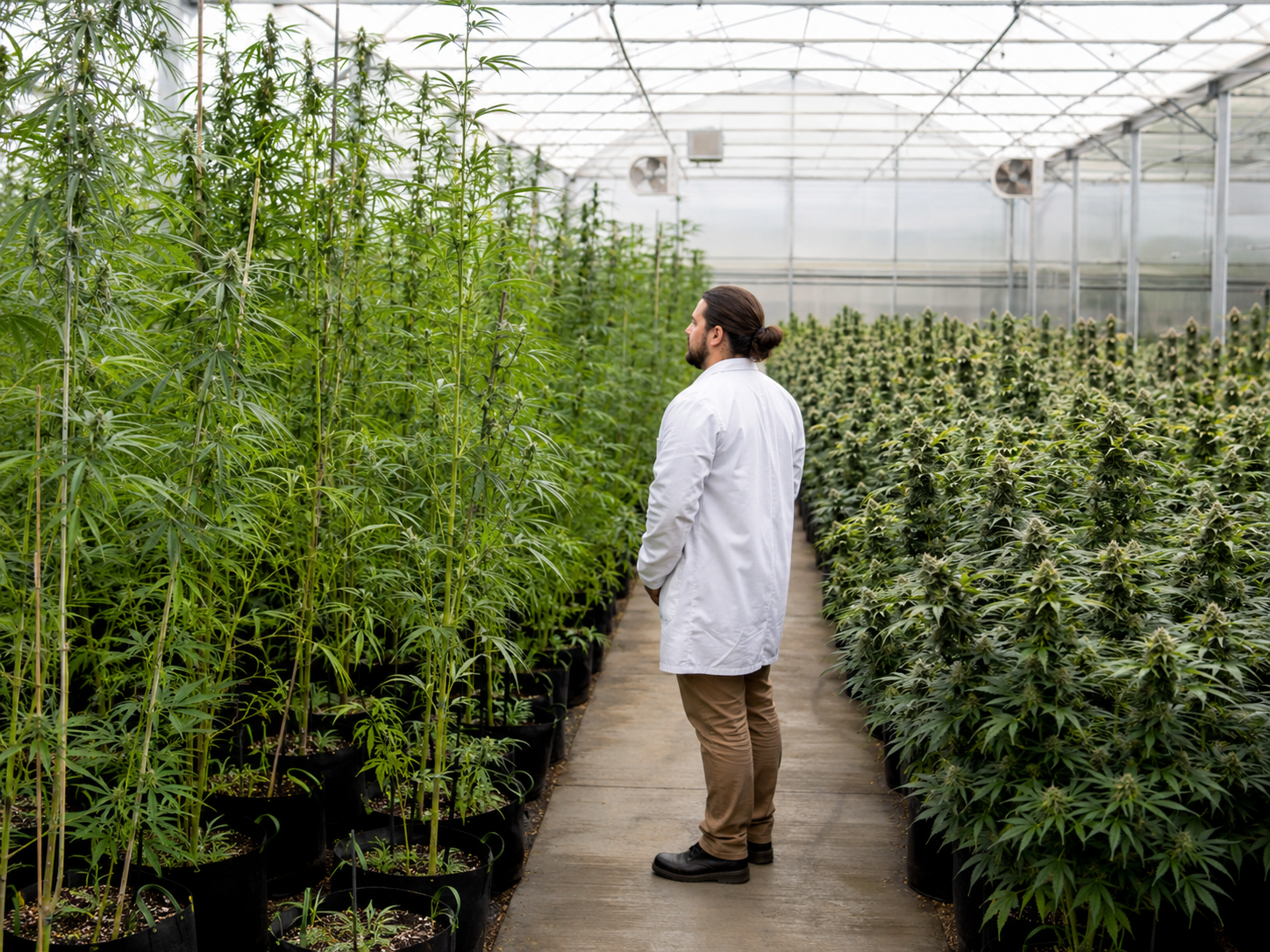
How Landrace Strains Can Be Preserved
Preservation requires more than keeping famous strain names in circulation. Effective conservation should maintain representative seed populations, document provenance, control reproduction, and prevent accidental cross-pollination. Genetic diversity within a landrace should be protected rather than reduced to a single clone.
Landrace genetics may be used to create new hybrids, but original or minimally altered parent populations should be preserved separately. Seed banks, researchers, local farmers, and collectors can all contribute by prioritizing provenance and genetic integrity.
Final Thoughts on the Future of Original Cannabis Genetics
Landrace cannabis strains matter because they connect modern breeding with the plant’s deeper genetic history. They preserve geographic adaptation, true-breeding traits, pest tolerance, vigor, distinctive terpene profiles, unusual cannabinoid ratios, and cultural heritage.
As commercial cannabis becomes more standardized, protecting original genetics becomes increasingly important. The future of breeding depends not only on creating new combinations, but also on keeping enough genetic diversity available to answer future challenges. Modern hybrids may dominate today’s market, but landrace genetics remain part of the foundation beneath them. Preserving that foundation helps ensure cannabis breeding retains both resilience and possibility.
 USA
USA
 Česko
Česko Deutschland
 España
 France
 Italia
 Nederland
 Polska
 Europe