


 @ganjafarmer.seed
 @GanjaFarmerSeed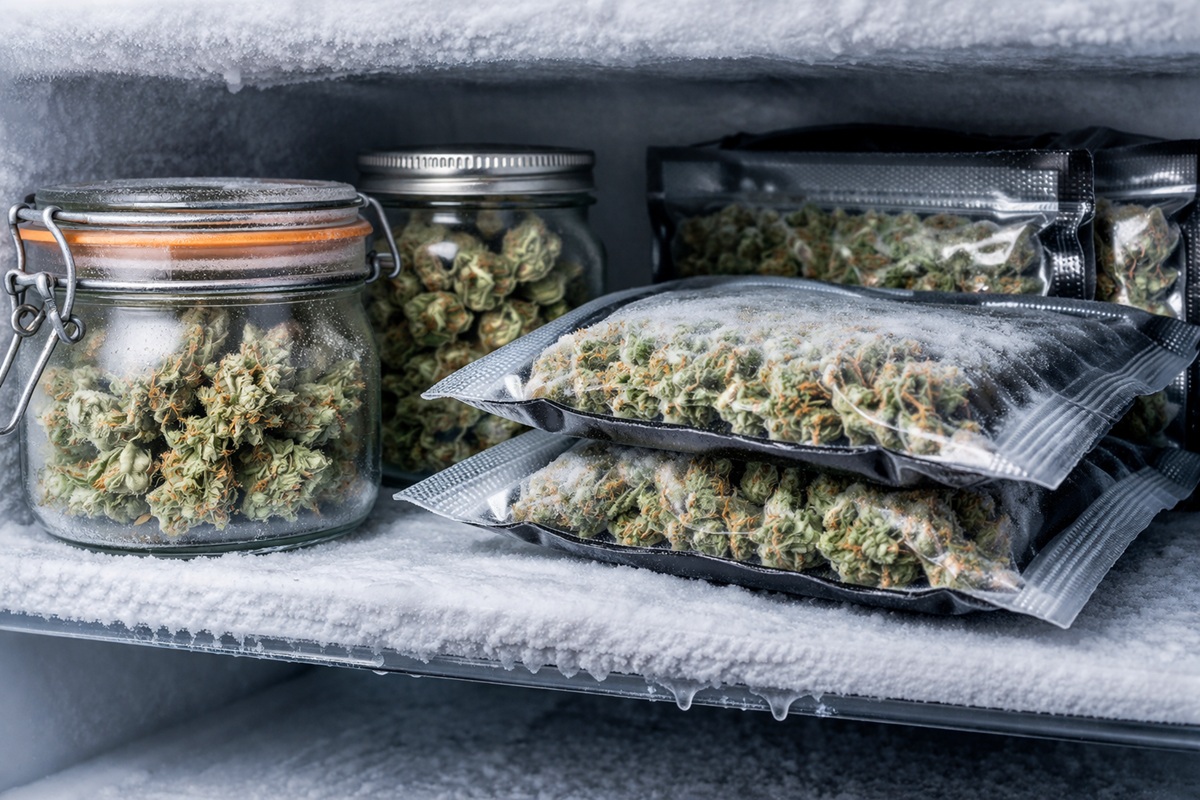
Freezing marijuana makes the most sense for long-term storage, bulk storage, or preserving fresh buds for extracts such as live resin. For regular flower you plan to use within a few weeks or months, standard jar storage is usually the better choice.
Freezing can slow THC degradation, preserve CBD and other cannabinoids, and help keep cannabis fresh for longer. At the same time, it creates real quality risks. Trichomes become brittle at sub-zero temperatures, and improper freezing may lead to freezer burn, moisture damage, and terpene loss. That is why freezing cannabis should be done carefully and only when the use case truly f
When Freezi
Freezing cannabis is not the default answer for daily users,
The first is long-term bulk storage. If you need to preserve a larger quantity of cannabis for roughly 6 to 24 months, freezing marijuana can help slow natural aging and potency loss. The second is extract production. Fresh buds are often frozen soon after harvest to preserve the plant’s fresh state for products like live resin. That is a very different goal from storing dried flower for smoking or vaping.
In other words, freezing is best when the priority is shelf life or extract quality, not convenience. If you expect to open the container often, access small amounts regularly, or care most about preserving aroma and smoke quality, another cannabis storage method is usually better.
Benefits of Freezing Marijuana
The biggest advantage of freezing marijuana is slower degradation. Exposure to oxygen, heat, light, and time gradually reduces the strength of cannabinoids. By keeping cannabis at sub-zero temperatures, you slow the breakdown of THC and help preserve CBD and other active compounds over a longer period.
Another benefit is extended freshness. When done properly, freezing can keep cannabis usable for over a year, making it practical for long-term storage or bulk storage. In humid climates, freezing may also help with mold prevention, provided the flower is correctly dried, cured, and sealed before it enters the freezer.
For processors working with fresh buds, freezing also preserves the raw plant state needed for live resin and similar extracts. In that context, frozen flower is not a compromise. It is part of the intended workflow.
Risks and Drawbacks of Freezing Cannabis
The main drawback is damage to trichomes. These tiny resin glands hold much of the plant’s cannabinoids and terpenes, but they become fragile in freezing conditions. Rough handling, shaking, or repeated movement can knock trichomes off the flower and reduce potency.
Terpene loss is another concern. Terpenes are responsible for aroma and flavor, and freezing does not guarantee they will remain intact. Poor packaging, air exposure, and moisture shifts can flatten the smell and taste of cannabis even if cannabinoids remain relatively stable.
There are also storage-related risks. Freezer burn can dry out the buds and leave them harsh and stale. Moisture damage is possible if cannabis is frozen before proper drying and curing, or if condensation forms during thawing. If water gets into the container, quality drops quickly and mold risk can rise after thawing.
That is why freezing weed without preparation often causes more harm than good.
How Freezing Affects THC, CBD, Trichomes, and Terpenes
Freezing mainly helps with cannabinoid preservation. THC degradation slows in cold, dark, low-oxygen conditions, and CBD is also better protected than it would be in a warmer environment. This is the strongest argument in favor of freezing for long-term storage.
Trichomes respond differently. They do not disappear in the freezer, but they become brittle. If frozen buds are jostled, pinched, or opened carelessly, the trichomes can snap off. Since trichomes contain a large share of the plant’s resin, that physical damage can reduce both potency and quality.
Terpenes are even more delicate. While cold temperatures can reduce some forms of degradation, terpene loss can still happen through poor sealing, temperature fluctuation, or moisture exposure. The result may be cannabis that still has decent potency but lacks the full aroma and flavor profile it had before storage.
So, freezing is better at preserving cannabinoids than preserving the complete sensory experience.
Freezing vs Other Storage Methods
|
Storage Method |
Best For |
Storage Period |
Main Benefits |
Main Risks |
|
Freezing marijuana |
Bulk, long-term storage |
6–24 months |
Slows cannabinoid degradation, may prevent mold, extends freshness |
Brittle trichomes, terpene loss, freezer burn |
|
Glass jars + humidity packs |
Regular personal use |
1–6 months |
Better aroma retention, easier access, lower damage risk |
Less suitable for very long-term storage |
|
Fresh frozen buds |
Live resin extraction |
Immediate processing or specialized storage |
Preserves fresh plant state for extracts |
Not ideal for standard smoking flower |
How to Properly Freeze Marijuana Step by Step
1. Dry and cure the buds first
For standard flower storage, drying and curing are essential before freezing. This reduces internal moisture, lowers mold risk, and helps prevent texture damage during thawing. Freezing uncured buds is one of the most common mistakes.
2. Choose the right packaging
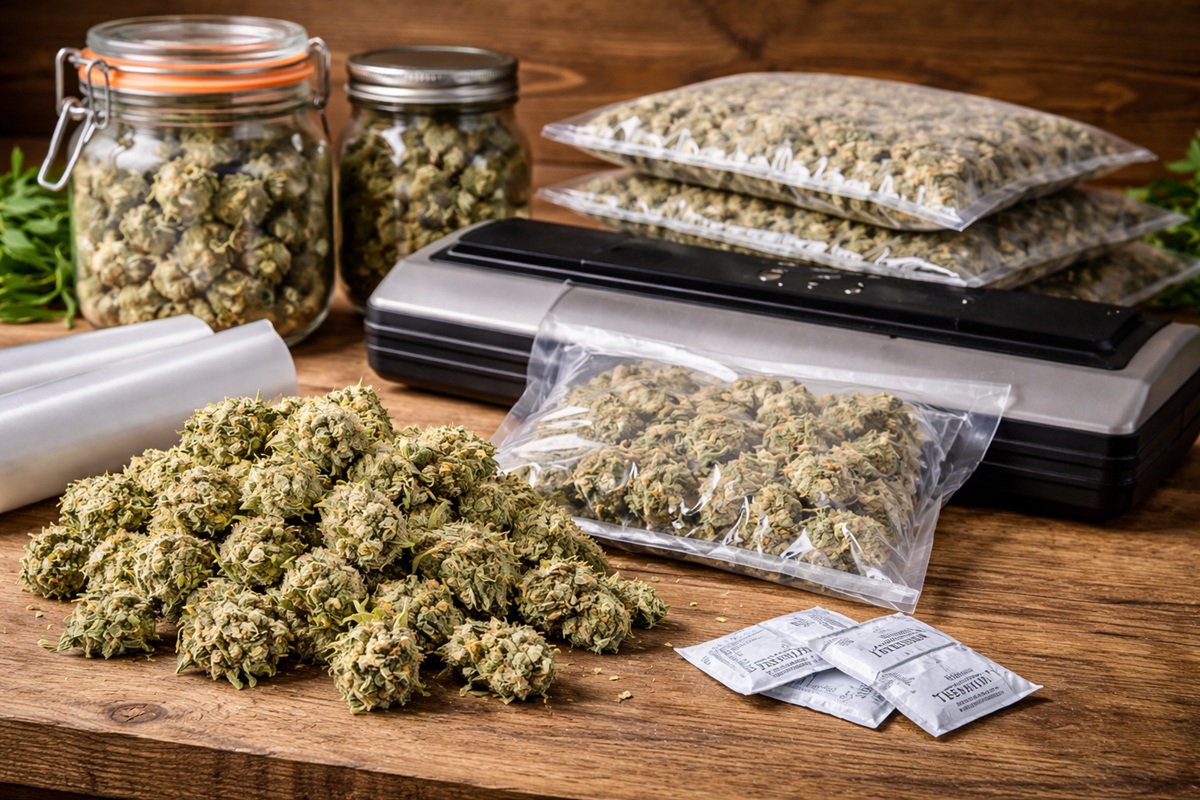
Vacuum sealing is one of the best ways to protect cannabis in the freezer. Vacuum-sealed Mylar bags reduce oxygen exposure and help prevent freezer burn. Airtight glass jars can also work, especially for smaller amounts, but they should be filled carefully and protected from movement.
3. Store at proper sub-zero temperatures
For stable long-term freezing, cannabis should be kept at 0°F (-18°C) or lower. The goal is consistency. Place the package in a stable part of the freezer, not in the door where temperature changes happen more often.
4. Avoid handling and temperature swings
Once frozen, leave the cannabis alone as much as possible. Frequent handling increases the chance of broken trichomes, while repeated warming and re-freezing can create moisture problems.
5. Thaw the right way
When you are ready to use it, do not open the package immediately. Let the sealed container reach room temperature first. This step prevents condensation from forming directly on the buds. Opening too early can introduce moisture and damage the flower.
Best Packaging for Frozen Cannabis Storage
The two most practical options are vacuum-sealed Mylar bags and airtight glass jars.
Vacuum-sealed Mylar bags are usually the better choice for bulk storage. They are lightweight, reduce air exposure, and help protect against freezer burn. They also limit movement inside the package, which helps protect trichomes.
Airtight glass jars are a good option for smaller amounts, especially if you already use jars for cannabis storage. They provide strong protection against outside air and odors, but they are less efficient than vacuum sealing and can leave more trapped air unless packed carefully.
If the goal is maximum long-term preservation, vacuum sealing usually wins. If the goal is moderate freezing with careful handling, airtight glass jars can still work.
How to Thaw Frozen Cannabis Without Damage
Thawing matters almost as much as freezing. The safest method is simple: remove the sealed package from the freezer and let it sit unopened until it reaches room temperature. Only then should you break the seal.
This prevents warm air from hitting cold buds and forming condensation. Moisture on the flower can affect texture, encourage mold after thawing, and reduce the overall quality of the cannabis. Slow, sealed thawing protects the buds far better than opening them right away.
Freezing vs Jar Storage: Which Is Better?
For most users, jar storage is better. If you plan to use your cannabis within 1 to 6 months, airtight glass jars with humidity packs in a cool, dark, dry cupboard are the preferred option. This method gives easier access, better aroma retention, and less risk of trichome damage.
Freezing is better only when the storage period is much longer or when the flower is being kept for specialized extraction. It is useful, but it is not the best default option for everyday cannabis storage.
Best Cannabis Storage Method by Timeframe
For short-term storage of a few weeks to a couple of months, use airtight glass jars in a cool, dark, dry cupboard.
For medium-term storage of 1 to 6 months, jars plus humidity packs remain the strongest choice. They balance freshness, convenience, and lower damage risk.
For long-term storage of 6 to 24 months, freezing marijuana becomes a practical option, especially for bulk storage that will not be accessed often.
For fresh buds intended for live resin, freezing immediately after harvest is a specialized method designed to preserve the plant in its fresh state for extraction.
Common Mistakes to Avoid When Freezing Weed
One major mistake is freezing flower that has not been properly dried and cured. Excess moisture raises the risk of quality damage and mold after thawing.
Another is poor sealing. Loose bags or non-airtight containers allow air exchange, increase freezer burn risk, and speed up terpene loss.
Opening the package before it warms up is also a common error. That is when condensation forms on the buds and creates avoidable moisture problems.
Finally, avoid repeated handling. Frozen cannabis should not be moved, shaken, or opened again and again. Stable placement and minimal disturbance are key.
Final Verdict: Should You Freeze Marijuana?
Freezing marijuana can be an effective tool, but it should be used selectively. It works best for long-term storage, bulk storage, and fresh buds meant for live resin or other extracts. In those cases, freezing helps slow THC degradation, protect CBD and other cannabinoids, and preserve cannabis for much longer than standard cupboard storage.
Still, the downsides are real. Brittle trichomes, terpene loss, freezer burn, and moisture damage can all reduce quality if the process is handled poorly. For most regular consumers, airtight glass jars with humidity packs stored in a cool, dark, dry cupboard remain the better option for 1 to 6 months.


 USA
USA
 Česko
Česko Deutschland
 España
 France
 Italia
 Nederland
 Polska
 Europe