Choose your store:
Select a local store to browse products and offers available to you.
or stay on: USA | ganjafarmer.com
Are you 21 or older?
This website contains content for adults and uses necessary cookies.
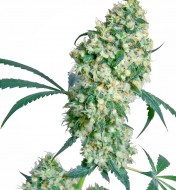
Ed Rosenthal Super Bud Regular seeds from Sensi Seeds bring together an even indica–sativa balance, dense buds and a sweet pineapple character. This Cannabis Cup gold winner is a photoperiod strain with exceptionally large yield potential.
Named after cannabis activist Ed Rosenthal, this US strain draws on genetics from Africa, Central America and Southeast Asia. It is a hybrid made up of 50% indica and 50% sativa, while some of its sativa parents remain undisclosed.
The story reaches back to 1981, when Ed Rosenthal provided seed material that became the basis of a lengthy breeding programme. Sensi Seeds traces that material to Afghani and Kush lines together with Mexican, Thai and equatorial African ancestry. An early result appeared as Ed's PEHT in The Seed Bank's 1987 catalogue. The later name, Ed Rosenthal Super Bud, was presented at the High Times Cup in 2006.
This history places the variety alongside other Sensi tributes to influential figures such as Jack Herer. It also explains why the name carries more than a celebrity association: Rosenthal's contribution was connected to the original genetic material. The programme continued through changing generations of the seedbank, while the sweet exotic scent and unusually full floral structure remained important parts of its identity.
These are regular cannabis seeds, capable of producing both male and female plants. The variety is photoperiod-dependent, with a relatively fast flowering period of 55–65 days.
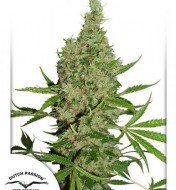
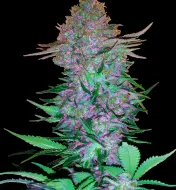
The plants are medium in height overall, with a short indoor stature; outdoors, they can reach 10 ft. The strain is suited to sunny or Mediterranean climates. Its stems and branches are strong, and its buds are dense and compact. Some plants may also develop spiral-shaped calyxes.
The yield potential is exceptionally large. Outdoors, it can produce up to 40 oz per plant.
The variation between individual plants is part of the variety's botanical interest. Some expressions show more of the sativa side through elongated, spiralling floral formations; others develop fuller, more rounded clusters. Ed Rosenthal's own website describes unusually prominent pistils with a fine, fuzzy surface, giving parts of the flower a woolly appearance. These details help explain the Super Bud name through shape and texture as well as size.
The sweet aroma combines fruity citrus and pineapple notes with earth and spice. Its fruitiness can become more intense as the buds approach harvest. The flavour is sweet too, with pineapple giving it a tropical fruit character.
The effects are associated with an uplifted, happy mood. A sense of calm can coexist with mental alertness.
A Sensi Seeds feature recounts grower Mr. Knolle's observations of several expressions. He associated the taller individual with plum and cinnamon, while shorter plants suggested wild berries or pineapple. The same account describes dense, crystalline surfaces and differences between more elongated and more rounded formations. These personal impressions add a distinctive fruit-and-spice perspective to the breeder's central pineapple description.
The tropical sweetness therefore has several possible shades, from the familiar pineapple reference to darker fruit and warm spice in that published account. Combined with calm and mental alertness, it gives the variety an expressive character that reaches beyond its large-bud reputation. Ed Rosenthal Super Bud Regular carries a substantial breeding history, a broad geographical background and a particularly detailed floral appearance, making its place in the Sensi Seeds collection as much about heritage as about its striking name.
With its balanced genetics, compact flowers and sweet pineapple flavour, Ed Rosenthal Super Bud Regular offers an appealing combination of traits. Choose these regular seeds from Sensi Seeds if you are looking for a photoperiod variety with substantial outdoor yield potential.